
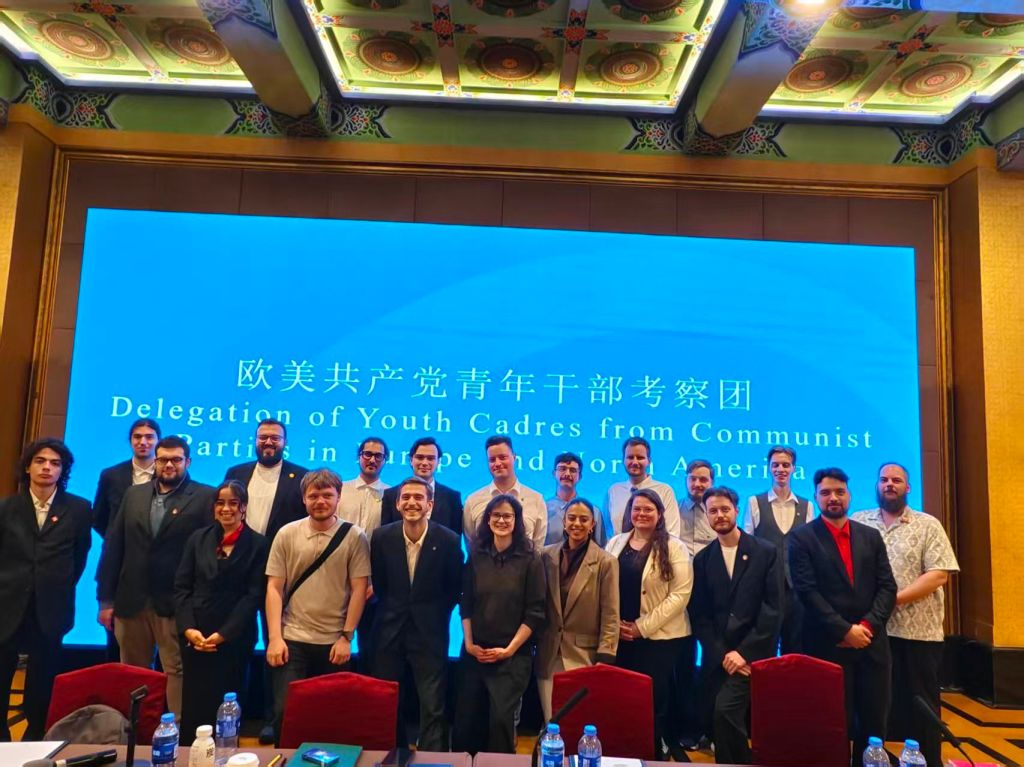
I recently had the privilege of representing the Communist Party of Canada at the invitation of the IDCPC on an international delegation to experience Socialism with Chinese Characteristics, participating in cultural exchange and political dialogue with comrades who are all working to bring socialism into the forefront of our respective countries. Raised in a farming community, I am not a seasoned politician or journalist. I make my living as an Industrial Painter. But in commemoration of the CPC’s 105th anniversary, what follows are a few reflections on the application of Chinese People-Centered Philosophy.
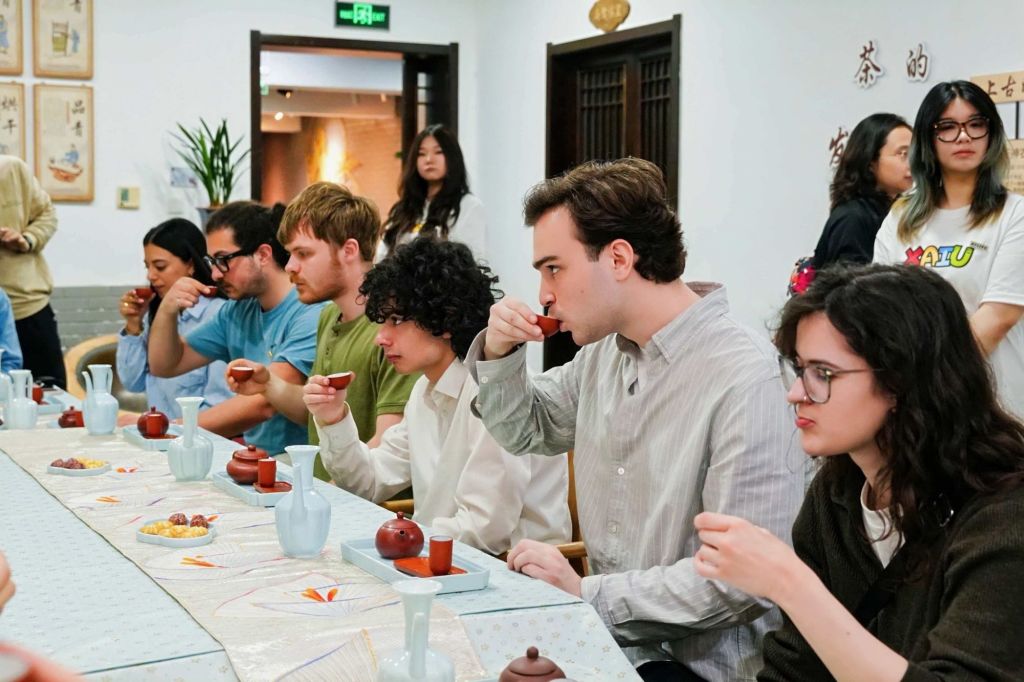
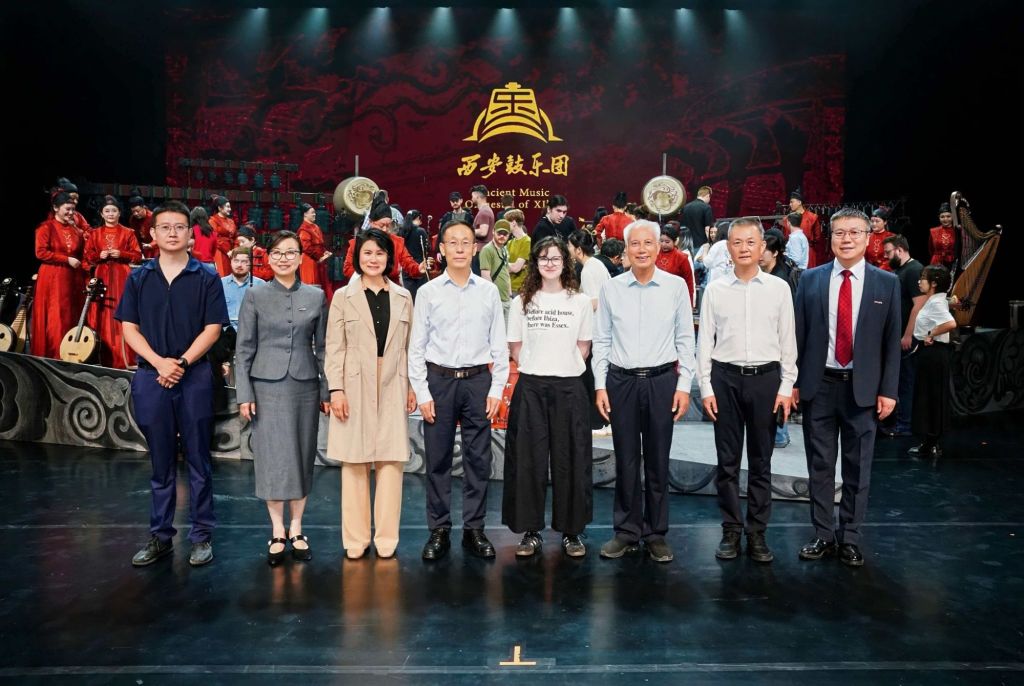
Visiting the PRC, I was surprised at the degree to which Indigenous Chinese culture was woven through everyday life. From the food to Traditional Chinese Medicine, from the incredible contrast between ancient Hanfu fashion and pulsing Xi’an nightlife, to our experiences of intangible Chinese culture at Xi’an University, I was struck by the sense of pride and celebration the people of China have in their history and traditional heritage.
In Canada, we often associate modernization with a drive towards a pure secularism, a dismissal of history, and hunger for unbridled technological development. To my surprise, China does not repress its historical character, it is rather a spiritual tapestry naturally woven through its project of modernization. This was most apparent in our discussions with university students in Xi’an.
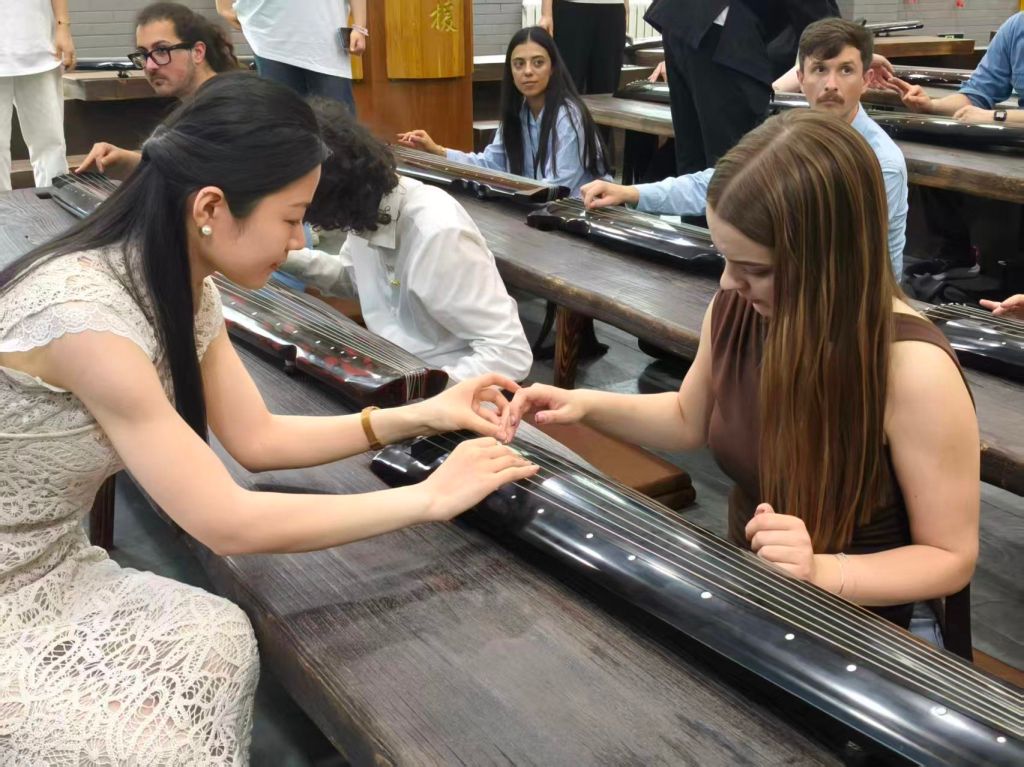
While I expected Chinese youth to take a somewhat ironic distance from their traditional culture, I was surprised at the pride they took in their elective courses on Calligraphy, Tai Chi and Guqin performance, and their willingness to share with us their interests in these pursuits alongside their academic studies. Most incredible was the popularity of going out in traditional Chinese dress to have fun with friends. In Canada where Indigenous culture and working-class history are hidden and repressed, it was remarkable to see how Indigenous culture can be woven through a modern Industrialized society – proving that with a people-centered approach to governance, it is possible to embrace rapid modernization without sacrificing cultural and spiritual heritage.
While it is now impossible in the West to deny the success of the PRC in its industrial development and poverty alleviation, the images in the media of dirty rivers and oppressive smog from a decade ago loomed large in my mind before my visit. What I saw firsthand however was shocking. Flying into Beijing I witnessed green fields punctuated by residential towers and solar panels. In the cities, the air was fresh and the sky was blue. The highways and roads hummed with electric vehicles, and our journey across the countryside on high-speed rail revealed vast forests punctuated by factories, high-rises, and power plants. This is not the China we are shown by Western media. But how is this possible?
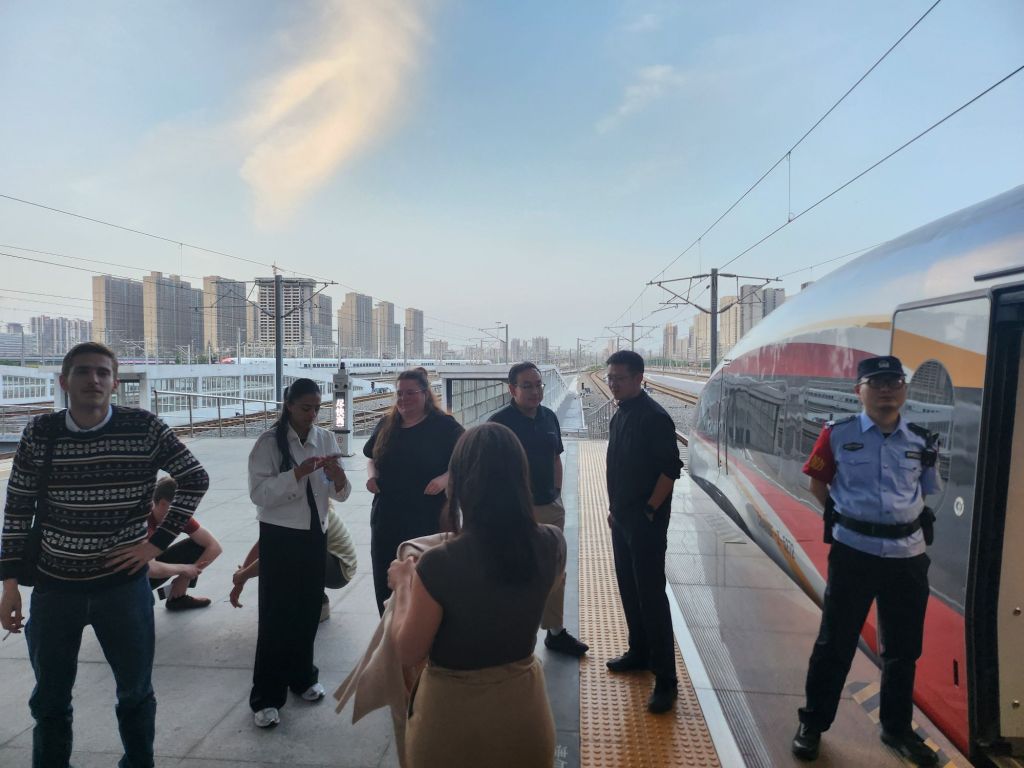
At a lecture by Professor Wu Heihua, we learned about the application of Xi Jinping Thought in relation to ecology in Shaanxi province. While it is true that rapid industrialization included environmental derogation and heavy pollution, the guiding principle of the CPC can now be summarized by President Xi Jinping in a single, poetic sentence: “Lucid waters and lush mountains are invaluable assets “. In Shaanxi province this is not an empty slogan, but the bedrock of a modern ecological civilization. Learning about China’s green energy revolution, of massive re-forestation projects, watershed conservation, and green municipal planning, I came to understand that good governance in the PRC is not constrained to economic development alone, but is inseparable from environmental conservation. “Ecological Civilization” is certainly not a hollow phrase, and in a province where oil extraction and refinement is central to the economy, it was inspiring to see green energy at the forefront of the CPC’s economic planning.
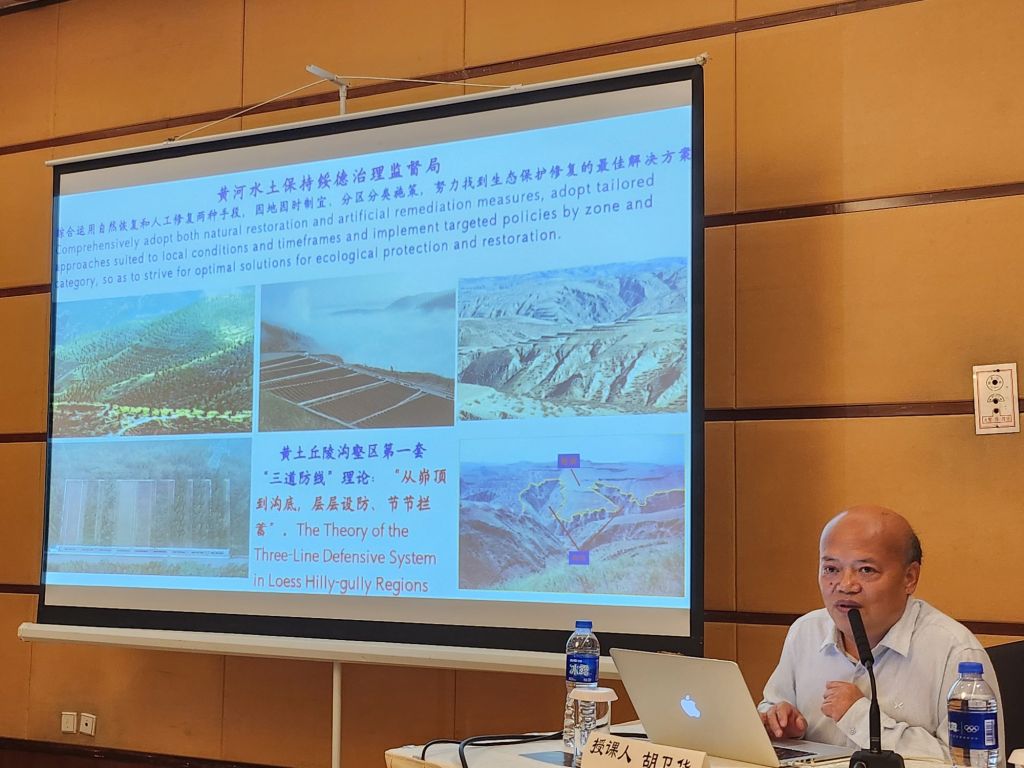
But how does such a philosophy actually play out among working people? During our time in Hebei Province, our delegation participated in an international conference hosted by the International Department of the CPC called “Putting the People First – The Mission and Responsibility of Political Parties”. Among international presenters from Nicaragua, Britain, and Laos, we also had the opportunity to hear from local farmers and domestic workers from Xingtang County – a traditionally impoverished and underdeveloped region – on the question of rural development.
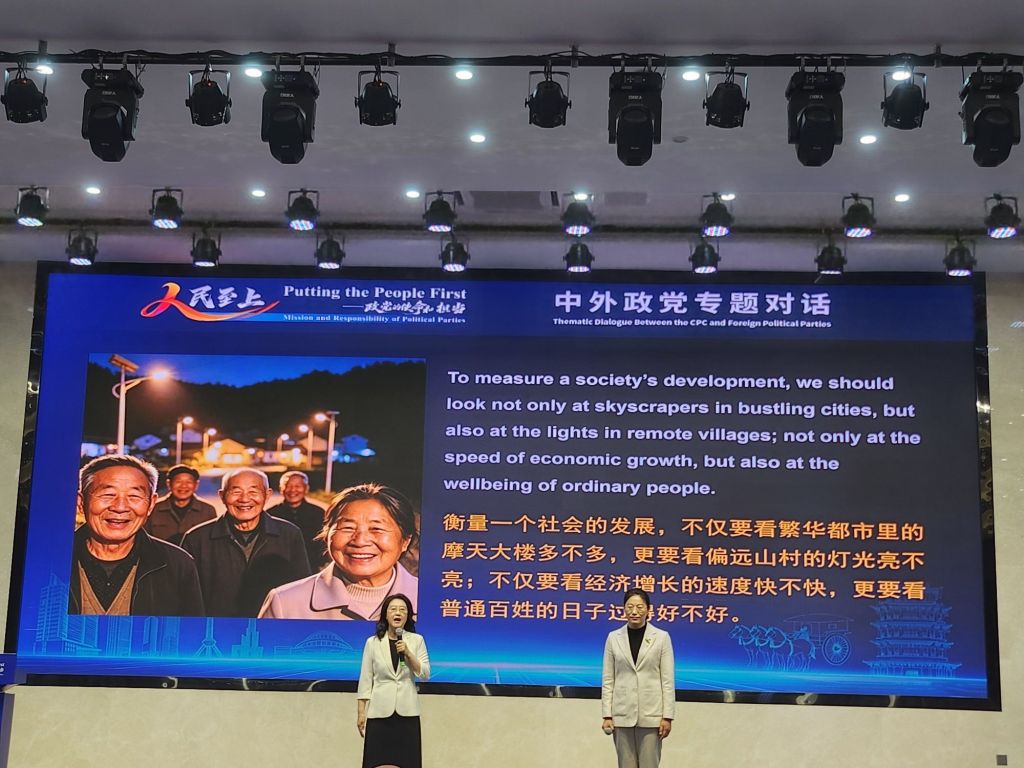
Growing up in an undeveloped region of rural Canada myself, it was remarkable to learn of local farmers finding work in nearby factories, utilizing advanced poultry breeding technology and produce sorting and distribution. We heard from a leader of the local jujube cooperative that once suffered terrible blights and crop losses, now selling internationally renowned produce thanks to the efforts of the CPC County Committee to bring in modern farming techniques and supply chain management.
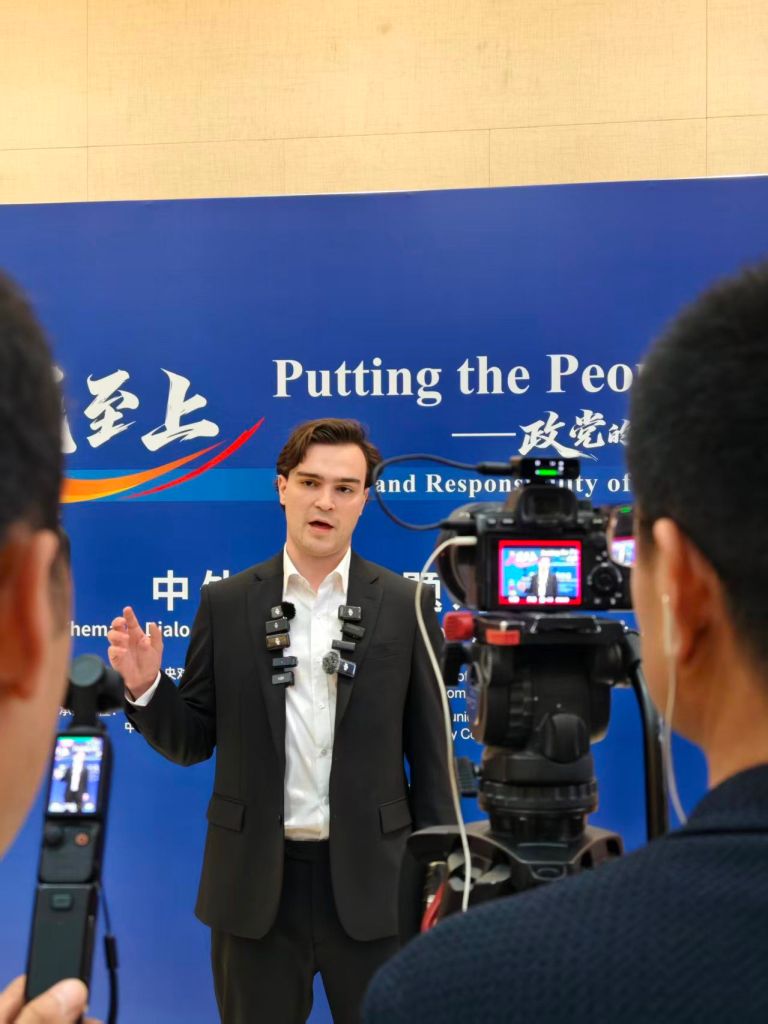
Most remarkable was the lively presentation by Zhang Hua, a mother of four who up until recently was very shy and had no employment training or job prospects. Recognizing the lack of rural job opportunities for women, the CPC Committee established a Domestic Worker training facility which makes both education and job placement a guarantee for local applicants. Once barred from the workforce, Zhang Hua is now an animated public speaker, running her own training program for new domestic workers, while her wages have increased seven-fold over just a couple of years. Between the CPC’s efforts to connect cities, supply chains, and bring modern production methods to the countryside, it was inspiring to see what good governance can accomplish in the struggle against rural poverty.
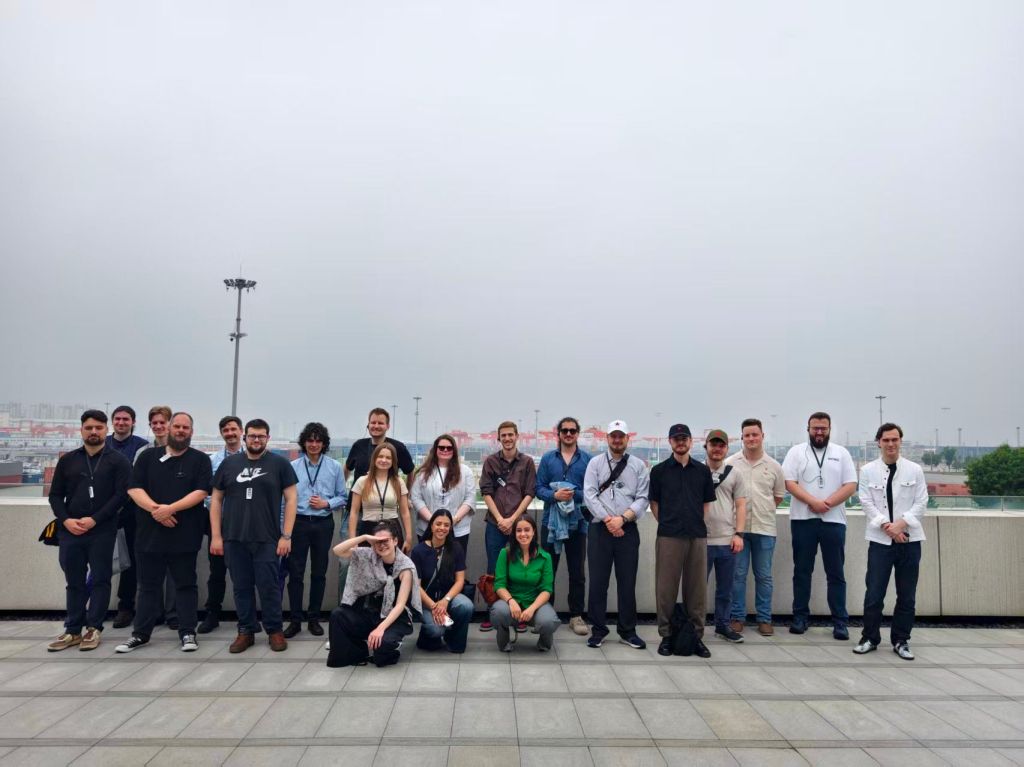
Chinese modernization is impossible to understand without the practice of development for the people, by the people, with outcomes shared by the people. One of the great incarnations of this philosophy was apparent during our visit to the China-Europe Railway Express Xi’an Assembly Center. Established by local CPC committees, this inland port is the crown jewel of Xi’an’s economic pilot zone and a key initiative towards further inland reform and opening up and deeper integration into the Belt and Road Initiative. Recognized as a world-class inland port, it is the beating heart of Shaanxi Province, allowing high-quality goods from farms and factories to be efficiently centralized and shipped to markets as far away as Europe by train. This engineering marvel has only been made possible by careful economic planning, and its impacts in China, central Asia, and Europe are nothing less then transformative for all workers and small businesses all along its route.
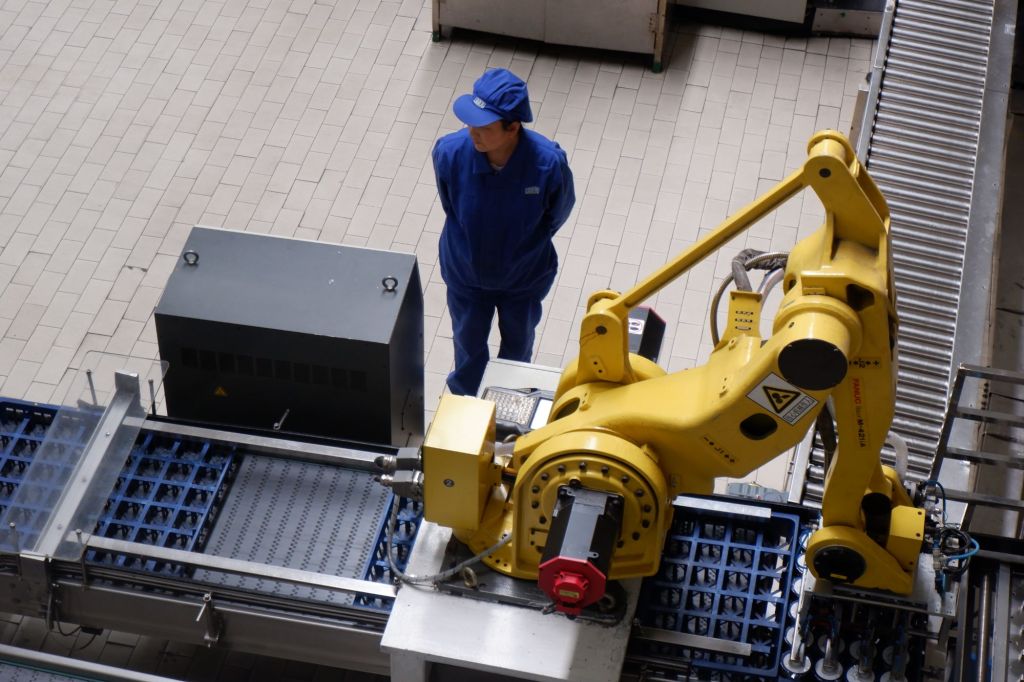
In Canada, along railways built by the hands of enslaved Chinese laborers 145 years ago, the difference is both stark and bleak. Our rural towns are disappearing, a consequence of decades of austerity, underdevelopment, and unhindered corporate profiteering. Indigenous communities are denied land claims, food security and even clean drinking water. Railroads carry nothing but raw materials such as crude oil and coal to ports, and return with manufactured consumer goods made overseas. Jobs are becoming scarce and our manufacturing sector shrinks year by year. It is becoming more and more apparent to working-class Canadians that the example of Chinese modernization and socialist governance are examples not to be sneered at, but to be studied and followed. The light of New China grows day by day, and the western capitalist press is running out of methods to contain it.
When talking with friends and co-workers about China’s development, I often tell of ordinary people who went on to accomplish incredible things. I speak of Dr. Norman Bethune, a relatively unknown Canadian Communist who’s contributions towards public healthcare and modern medicine changed the course of history not only in Canada but in China as well. As one of our great internationalists who gave his life in the fight against Japanese Imperialism, I point to Dr. Bethune as a profound example of longstanding friendship between Canada and the PRC.
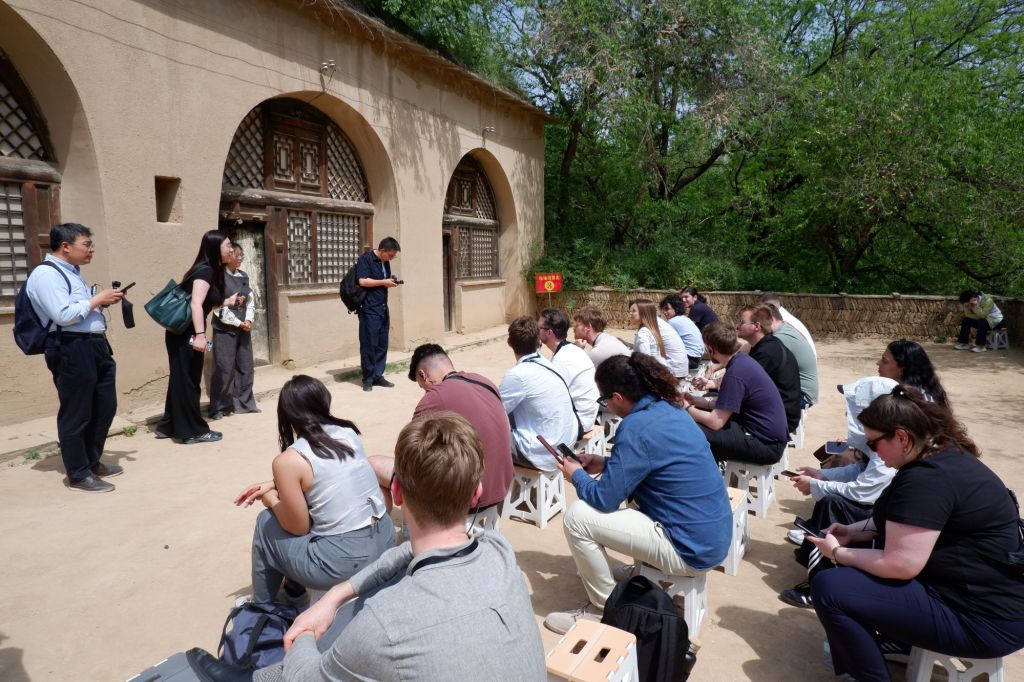
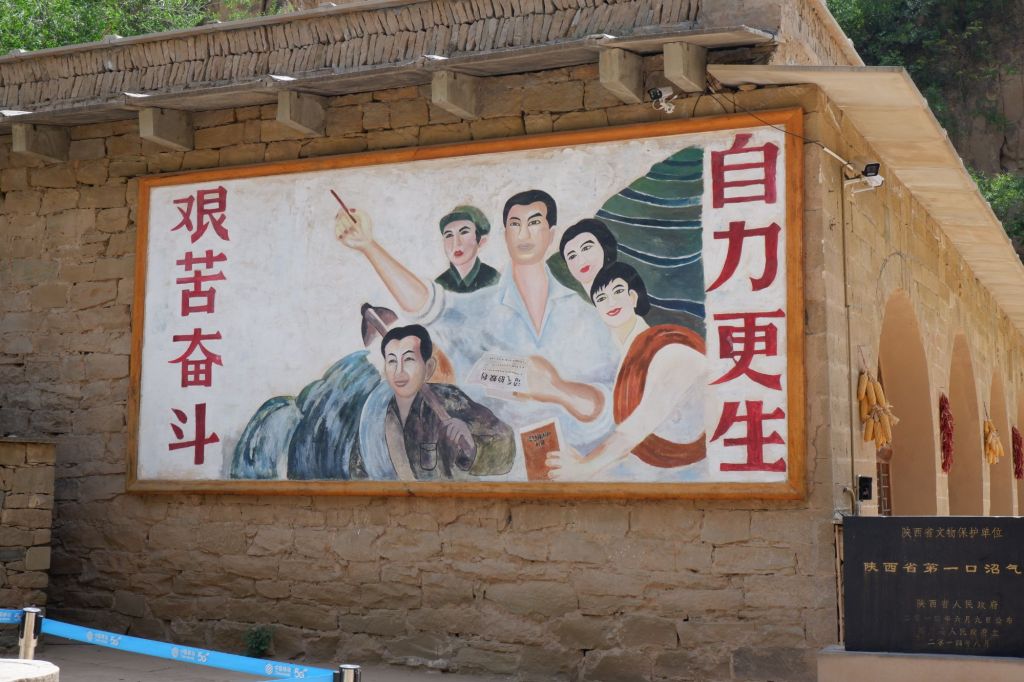
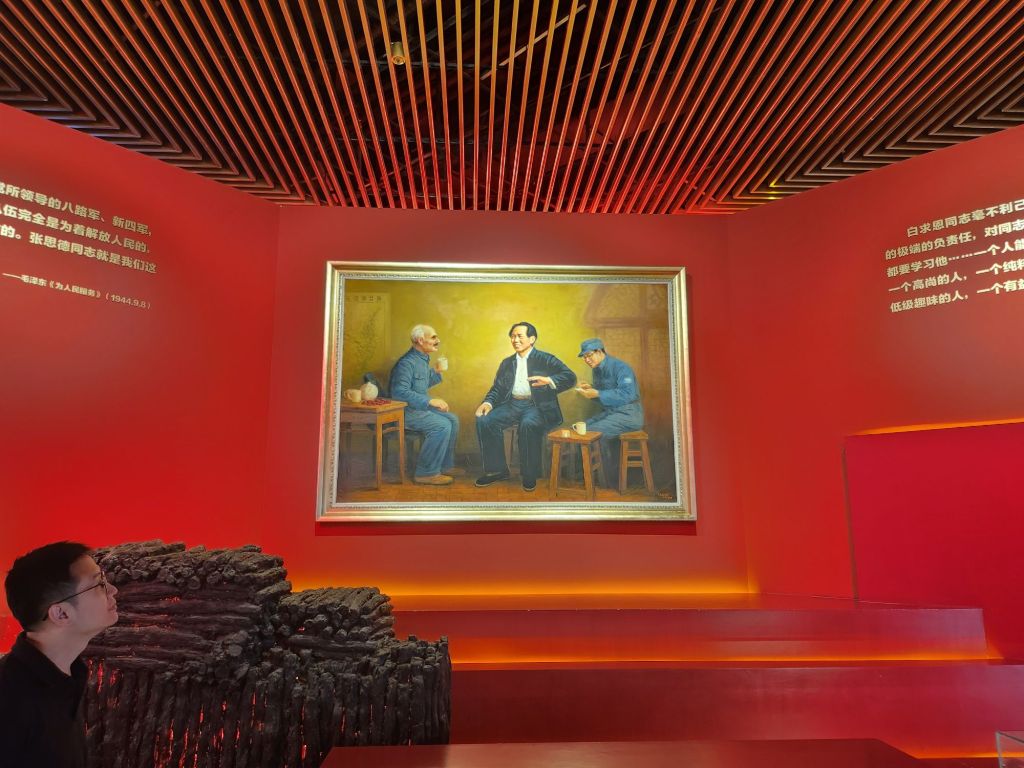
I also speak of our visit to Liangjiahe Village in Yanchuan County, a historically poor and backwater village where President Xi Jinping and other educated youth from Beijing were sent as party cadre to serve the people. Touring the small village cave in which President Xi once lived, I visited the well and sewer system which he helped dig by hand. I visited the town’s museum, which documents its long path towards modernization over the past 40 years. I visited the new village school, saw modern apartment complexes nestled alongside vast swaths of irrigated farmland and greenhouses, and marveled at the jarring difference between my own village of Strome, which no longer even has a school or a grocery store. While I speak highly about of state-owned factories and China’s high speed rail, I remain fixated upon China’s incredible rural transformation, the role of the humble and organic leadership of the CPC and the pride in which everyday Chinese workers have in their own accomplishments. With the right ideas and the same ethos of self-sacrifice of Bethune and President Xi, I am convinced that working class people around the world are capable of similar paths of development.

 transfigurations